Scientific shampooing routine makes hair look brand new.
Beslocosmetics As a professional haircare manufacturer, we understand that a proper shampooing routine is just as important as quality products. This article will reveal professional-level shampooing tips to help you customize the optimal shampooing regimen for your hair type.
Why is your hair washing routine so important?
Shampooing isn’t just about cleansing your hair; it’s also crucial for maintaining a healthy scalp. A proper shampooing routine removes excess oil and dirt while maintaining the scalp’s natural oil balance, promoting healthy hair growth. Studies show that 72% of women experience hair loss or thinning hair,6 and proper shampooing and care are fundamental to improving these issues.

Four steps to scientific shampooing.
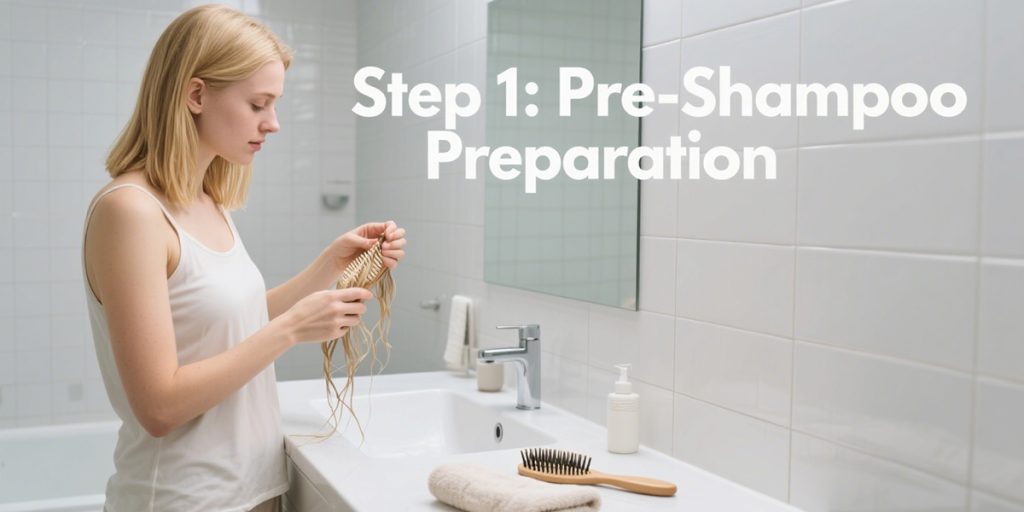
Step 1: Preparation before shampooing.
Comb your hair thoroughly before shampooing, which is a key step that many people ignore. Only by combing your hair carefully can you wash it gently. Messy hair is easy to get tangled when it comes into contact with water, and wet hair is more sensitive. Combing it forcefully will cause double damage.
Step 2: Water temperature and product selection.
Use warm water to wash your hair! Hot water dissolves the lipids in your hair tissue, causing it to dry out faster and leading to brittle strands. At the end of your shampoo session, quickly switching to a cold water rinse can help close the cuticles that have become rough from shampooing, giving your hair a healthy, shiny look.
Choose products based on hair type:
- For oily hair: Choose a deep oil-controlling and balancing product, such as a shampoo with herbal ingredients like rosemary.
- For dry, damaged hair: Choose a nourishing product with moisturizing ingredients like hydrolyzed protein and glycerin.
- For fine, limp, and fluffy hair: Use a volumizing product to avoid the weight of over-moisturizing.
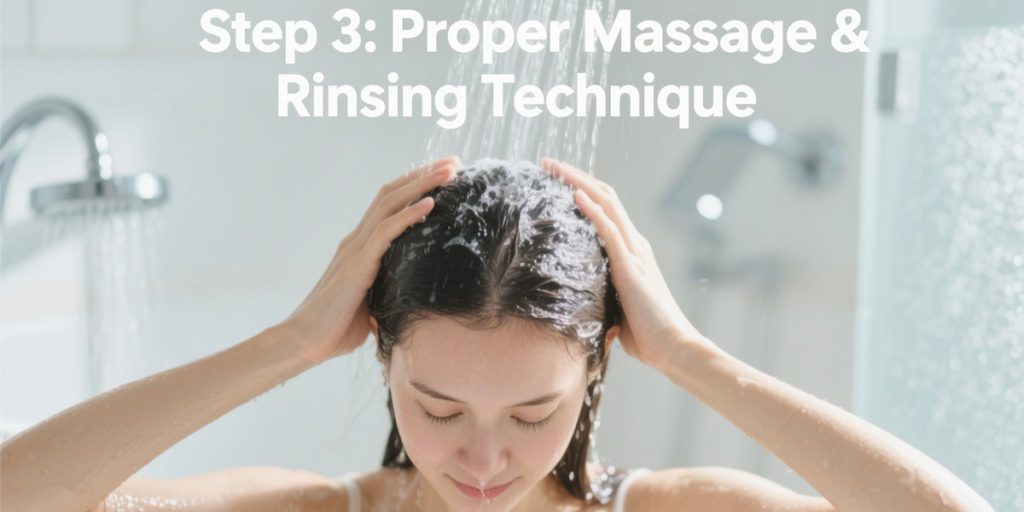
Step 3: Correct massage and flushing techniques.
Use a small amount of shampoo – less is more. Extra shampoo doesn’t clean your hair better, it weighs it down. For shoulder-length hair, use only a hazelnut-sized amount, and add one drop for every additional inch of length.
When massaging, use the pads of your fingers instead of your nails and gently cleanse your scalp in circular motions. This will promote blood circulation while avoiding damage to the scalp.
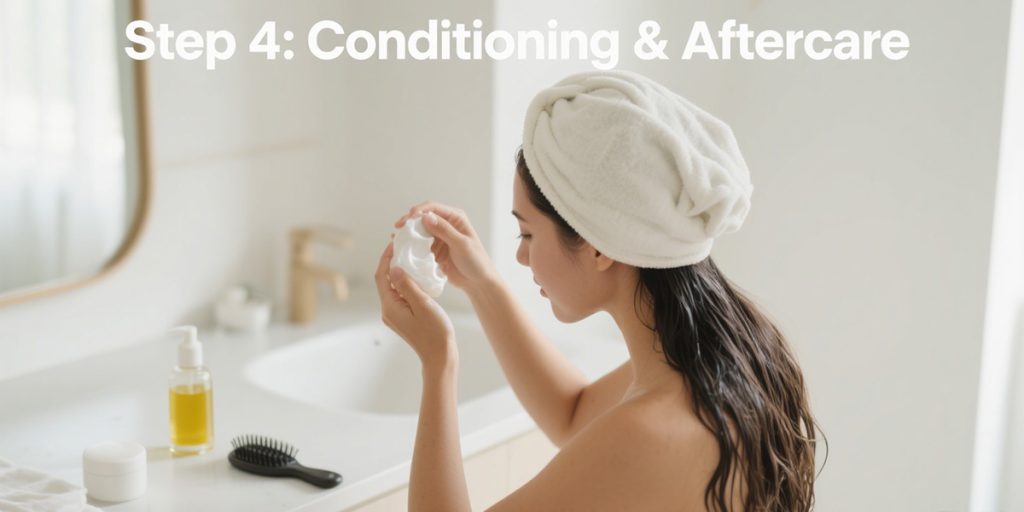
Step 4: Hair care and follow-up care.
Conditioner should be applied mainly to the ends and mid-lengths of the hair, avoiding direct contact with the scalp unless it is a dedicated scalp care product. Wait a few minutes before rinsing to allow the nutrients to fully penetrate.
For deeper conditioning, use a deep conditioning product or hair mask 1-2 times a week to provide concentrated nourishment to your hair.

Shampooing plans for different hair types.
Oily hair.
People with oily hair often think they need to wash their hair every day, but this can actually stimulate the scalp to produce more oil. Try gradually increasing the time between washes and using dry shampoo to comb your hair in between. Choose a shampoo that contains ingredients such as rosemary and mint, which can effectively regulate oil secretion without over-drying the hair.
Dry and damaged hair.
Reduce the frequency of shampooing to 3-4 times a week. Choose products containing moisturizing ingredients such as Centella asiatica, hydrolyzed protein and glycerin, and avoid products with strong cleaning power that strip the hair of its natural oils.
Fine, soft, and collapsed hair.
Focus on scalp cleansing and hair root fluffing products. Use hair follicle deep cleansing liquid to deeply cleanse the scalp, and then use light hair care products to avoid feeling heavy.
Common shampooing mistakes.
- The “water-only” method isn’t a panacea: The recently popular “water-only” method isn’t suitable for everyone. Our scalps constantly secrete oil, making it difficult to thoroughly cleanse with water alone. Oil buildup can lead to microbial proliferation, causing itchy scalps, dandruff, and hair loss.
- Overwashing: Many people believe they should wash their hair daily, but this actually depends on your hair type. For fragile or stressed hair, it’s recommended to use shampoo only 3-4 times a week.
- Use conditioner throughout your hair: Apply conditioner primarily to the ends and mid-lengths of your hair, avoiding direct contact with the scalp (unless it’s a specialized scalp treatment) to prevent clogging pores.
Professional hair care advice.
Regular Deep Cleansing: Just like our skin needs regular deep cleansing, our scalp does too. Use a deep follicle cleanser once or twice a week to help remove accumulated product and oil.
Alternate water temperatures: After shampooing, a quick rinse with cool water can help close the hair cuticle and increase shine.
Proper Drying: Gently pat dry your hair with a towel, avoiding rubbing and causing damage. When using a hair dryer, pay attention to the temperature and distance to avoid overheating and damage.
Create a personalized shampooing routine.
Everyone’s scalp environment is different. The best shampooing routine for you should consider the following factors:
- Your scalp type (oily, dry, sensitive)
- Your hair type (fine, coarse, curly, straight)
- Your living environment (humidity, temperature, water quality)
- Your lifestyle (exercise frequency, styling habits)
Try different products and techniques to see how your hair responds, and gradually adjust your shampooing routine to find the one that works best for you.
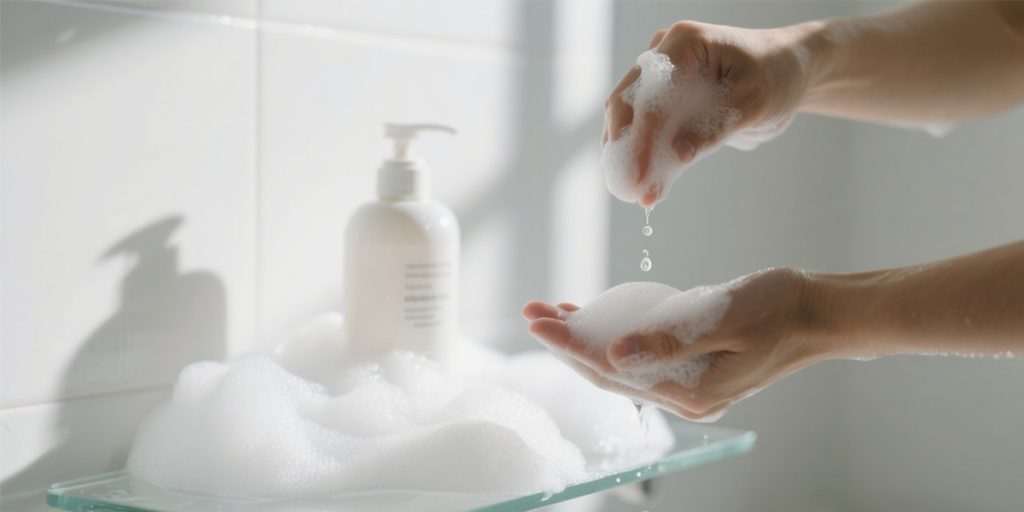
conclusion.
A perfect shampooing routine is the cornerstone of healthy hair. By understanding your hair type and following these expert tips, you can significantly improve the health and appearance of your hair. Remember, consistency is key—any new shampooing routine takes time to show results, and it usually takes several weeks to see noticeable improvements.
As a professional OEM manufacturer with two factories, we understand that high-quality products combined with proper application are key to achieving the best results. We hope this guide will help you master professional-level shampooing techniques and leave your hair healthy and radiant!
Tip: If you have particularly difficult hair or scalp conditions, it’s recommended to consult a professional hairstylist or dermatologist for personalized advice.