The Ultimate Guide to Scalp Treatment: Difference Between Dry Scalp and Dandruff.
Scalp Treatment:Proper diagnosis is the first step toward effective treatment.
Having a healthy scalp is the foundation for beautiful, strong hair. However, many people struggle with scalp conditions that cause discomfort, embarrassment, and even hair loss if left untreated. Two of the most common scalp issues—dry scalp and dandruff—are often confused despite requiring different treatment approaches.
At Beslocosmetics, with our two manufacturing facilities in Zhuhai specializing in hair care and hair styling products, we understand the importance of proper scalp health. In this comprehensive guide, we’ll explore the differences between dry scalp and dandruff, their causes, and how you can effectively treat and prevent these conditions.
Understanding Dry Scalp and Dandruff: Key Differences.
While both dry scalp and dandruff can cause flaking and itching, they have distinct characteristics:
Dry Scalp occurs when your scalp lacks sufficient moisture. This leads to small, white flakes that are typically smaller and less oily than dandruff flakes. Dry scalp often comes with feelings of tightness and irritation.(Treatments for dandruff Home remedies)
Dandruff (specifically the oily type), known medically as Pityriasis simplex or Seborrhea furfuracea, is often caused by an overgrowth of yeast called Malassezia. This leads to larger, oilier yellowish flakes that may clump together and adhere to the scalp and hair.(Related Articles)
The table below summarizes the key differences between these two common scalp conditions:
| Characteristic | Dry Scalp | Dandruff |
| Flake Appearance | Small, white, dry flakes | Larger, oily, yellowish flakes |
| Primary Cause | Scalp dehydration | Microbial imbalance (Malassezia fungus) |
| Scalp Sensation | Tightness, dryness | Oiliness, itching |
| Weather Influence | Worsens in cold/dry weather | Less seasonal variation |
| Treatment Approach | Moisturizing, gentle cleansing | Antifungal, exfoliating |
Root Causes and Contributing Factors.
Understanding what causes your scalp issues is essential for effective treatment:
Dry Scalp Causes.
- Environmental factors: Cold weather, low humidity, and excessive heat styling.
- Harsh hair products: Products containing alcohol or aggressive chemicals that strip natural oils.(Minimizes the damage to hair caused by organic chemicals)
- Over-washing: Washing too frequently without proper moisturization.
- Dehydration: Not consuming enough water or nutrients that maintain skin hydration.
Dandruff Causes.
- Microbial imbalance: Overgrowth of Malassezia fungus that occurs naturally on the scalp.
- Excess sebum production: Overactive oil glands creating an ideal environment for fungal growth.
- Hormonal factors: Fluctuations that increase oil production.
- Genetic predisposition: Some people are naturally more susceptible to dandruff.
Effective Scalp Treatment Solutions.
1. Professional-Grade Topical Treatments.
Modern scalp treatments combine scientific advances with natural ingredients to address root causes:
For Dry Scalp:
- Moisturizing formulations with ingredients like hyaluronic acid, panthenol (vitamin B5), and natural oils.
- Soothing compounds such as aloe vera, allantoin, and bisabolol to reduce irritation.
- Barrier repair agents including ceramides and fatty acids that help maintain scalp moisture.
For Dandruff:
- Antifungal agents like ketoconazole, zinc pyrithione, and climbazole to reduce Malassezia overgrowth.
- Gentle exfoliants such as salicylic acid to remove dead skin cells and unclog follicles.
- Natural alternatives including tea tree oil, apple cider vinegar, and birch tar which have antimicrobial properties.
2. Advanced Treatment Systems.
Consider comprehensive approaches like the JK Omnibus Program, which offers a multi-step scalp management system that includes.
- Scalp diagnosis and analysis to determine the exact condition
- Deep cleaning scaling to remove cutin and impurities
- Specialized treatments with ultrasound/ion steam to purify pores
- Nutrient infusion with vitamins, amino acids, and growth factors
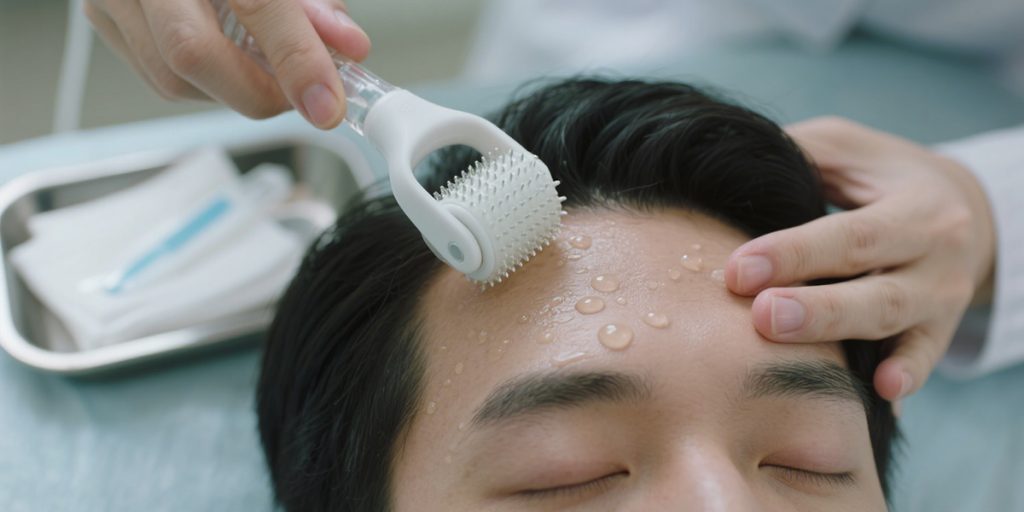
- MTS (Micro Needle Therapy System) to deliver active ingredients deeper into the scalp
3. Natural and Home Remedies.
Several natural approaches can complement professional treatments:
For Dry Scalp:
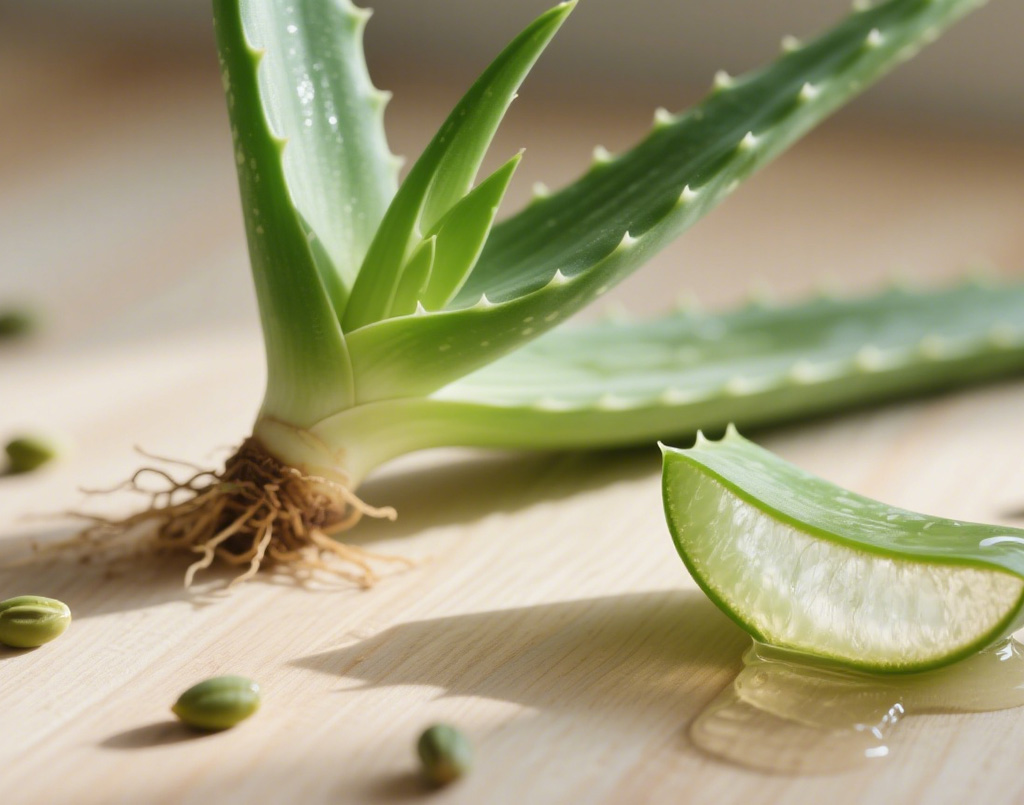
- Aloe vera treatment: Provides moisturizing, antibacterial and antifungal properties. Apply pure gel to scalp, massage for 5 minutes, leave for 30 minutes then rinse with warm water.
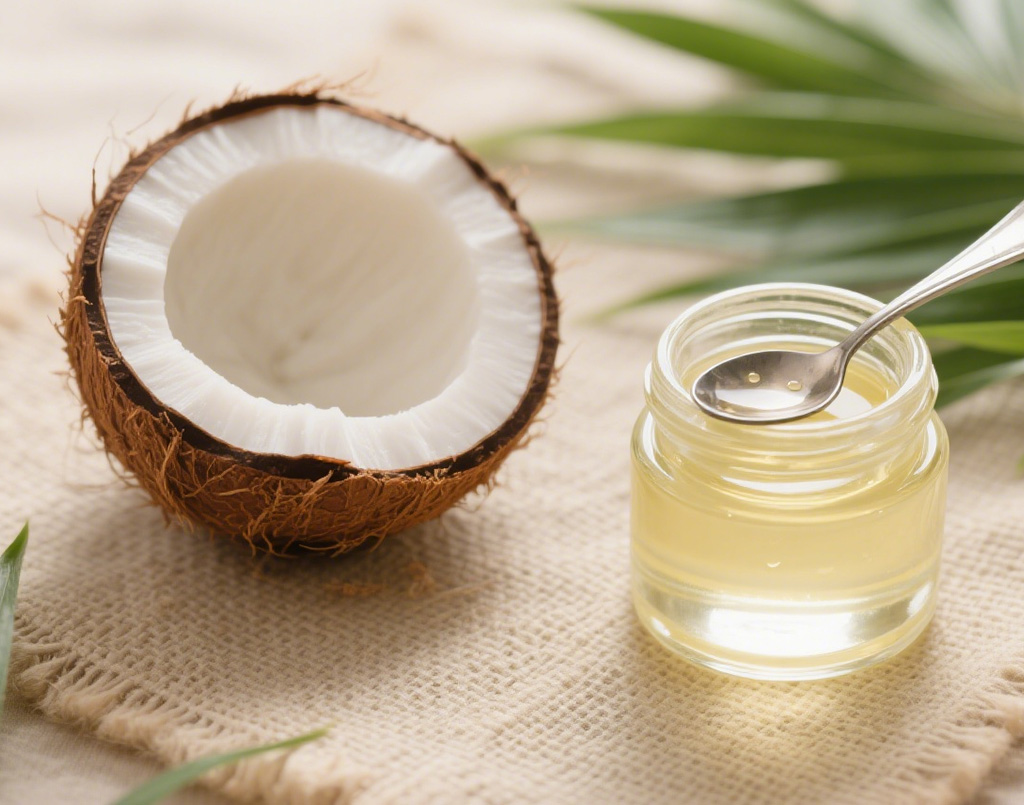
- Coconut oil: Effectively moisturizes the scalp and fights microbes. Mix three tablespoons of coconut oil with half a lemon juice, apply evenly to scalp with circular massages, and leave for 20 minutes before rinsing.
For Dandruff:
- Apple cider vinegar: Has antimicrobial properties that help combat dandruff-causing fungus. Mix half a cup of apple cider vinegar with half a cup of water, apply to entire scalp, leave for 15-20 minutes, then rinse with warm water.
- Tea tree oil: Known for its antifungal and antibacterial properties. Dilute 5 drops of tea tree oil in two tablespoons of coconut or olive oil, apply to scalp and massage for 5 minutes, leave for 30 minutes, then wash with a mild shampoo.
Beslocosmetics’ Professional Approach to Scalp Health.
At our Zhuhai manufacturing facilities, we’ve developed specialized formulations that address both dry scalp and dandruff concerns:
Our Moisturizing Scalp Treatment contains:
- Vitamin B5 and olive oil extracts to nourish and hydrate.
- Plant extract to soothe irritation.
- Protein liquids to strengthen hair fibers.
Our Balancing Antidandruff Formula features:
- Zinc pyrithione to control fungal overgrowth.
- Salicylic acid for gentle exfoliation.
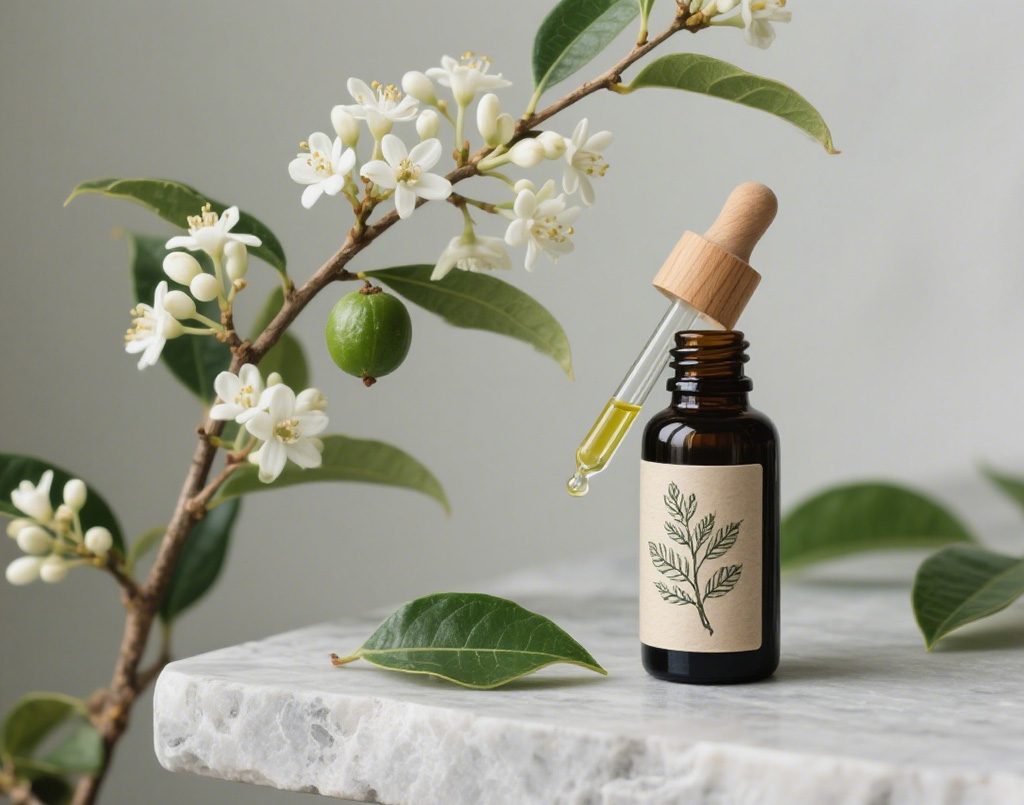
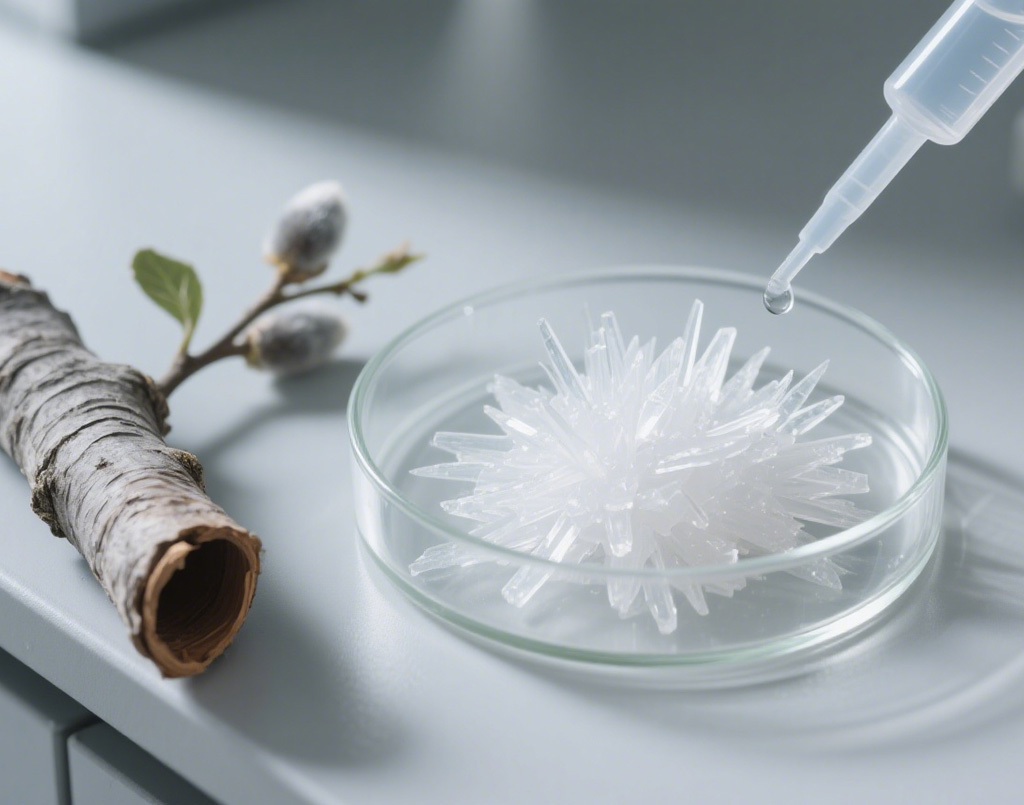
- Natural ingredients like tea tree oil and willow bark extract.
Prevention and Maintenance Strategies.
Maintaining scalp health requires ongoing care:
- Choose appropriate products: Select shampoos and treatments specifically formulated for your scalp condition.
- Limit heat styling: Reduce use of hot tools that can dry out the scalp.
- Protect from UV damage: Use products with UV filters, especially in sunny seasons.
- Maintain a balanced diet: Ensure adequate intake of B vitamins, zinc, and essential fatty acids.
- Manage stress: High stress levels can exacerbate both dry scalp and dandruff.
When to Seek Professional Help.
While many scalp conditions can be managed with proper care, consult a dermatologist if you experience:
- Persistent itching, redness, or inflammation despite treatment.
- Painful sores or excessive scaling.
- Hair loss or thinning accompanying scalp issues.
- No improvement after 4-6 weeks of consistent scalp treatment.
The Future of Scalp Treatments.
Innovation in scalp care continues to evolve with advancements like:
- Scalp Micropigmentation: A non-surgical cosmetic treatment that creates the illusion of fuller hair by applying natural pigments to the scalp.
- Personalized Scalp Care: DNA-based approaches that customize treatments to individual needs.
Conclusion: Scalp Treatment for Healthy Scalp, Beautiful Hair.
Understanding whether you have dry scalp or dandruff is crucial for effective treatment. While dry scalp requires moisturizing and gentle care, dandruff needs antifungal and exfoliating approaches. At Beslocosmetics, we’re committed to developing innovative hair care solutions that address these concerns at their root.
Remember that consistent, appropriate care is key to maintaining scalp health. If you’re unsure about your specific condition, consider consulting with a hair care professional who can provide personalized recommendations based on your unique needs.
Ready to transform your scalp health? Contact Beslocosmetics today to discover our professional-grade scalp treatment solutions tailored for your specific needs.