Hair Care and Skin Care:Do you know what the differences are?
We will delve into the core differences between hair care and skin care in terms of ingredients, pH levels, and formulation science to help you choose the most professional product solutions for your brand.
Hello! Welcome to the Beslocosmetics knowledge sharing column. Since 2003, we have been deeply involved in the aerosol and cosmetics manufacturing field. With two advanced factories, a professional engineering team, and an independent laboratory, we are not only proficient in aerosol products but have also accumulated comprehensive experience in general cosmetic formulations through diversified development. Today, from the perspective of an OEM manufacturer, we will analyze a fundamental yet crucial topic for you: the essential difference between hair care and skin care products.
Many startups may hope for a single product that is “all-encompassing,” but in reality, products for hair and skin differ drastically in design philosophy, core ingredient formulation, and mechanism of action. Understanding these differences is the first step in successfully creating a high-efficiency, professional product.
I. Hair Care and Skin Care Different Objectives: Protective Barrier vs. Surface Reconstruction.
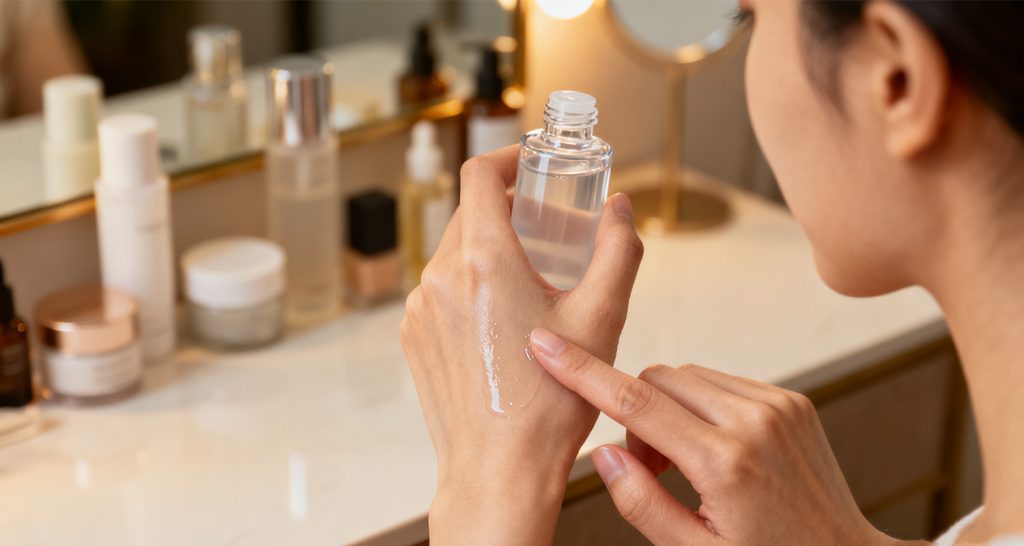
Skin Care: Its primary goal is to maintain and repair the skin’s natural protective barrier. A healthy skin barrier locks in moisture and protects against external irritants. Therefore, ingredients in skincare products (such as ceramides, hyaluronic acid, and niacinamide) are designed to penetrate the skin’s surface, promoting cell renewal, hydration, and repair.
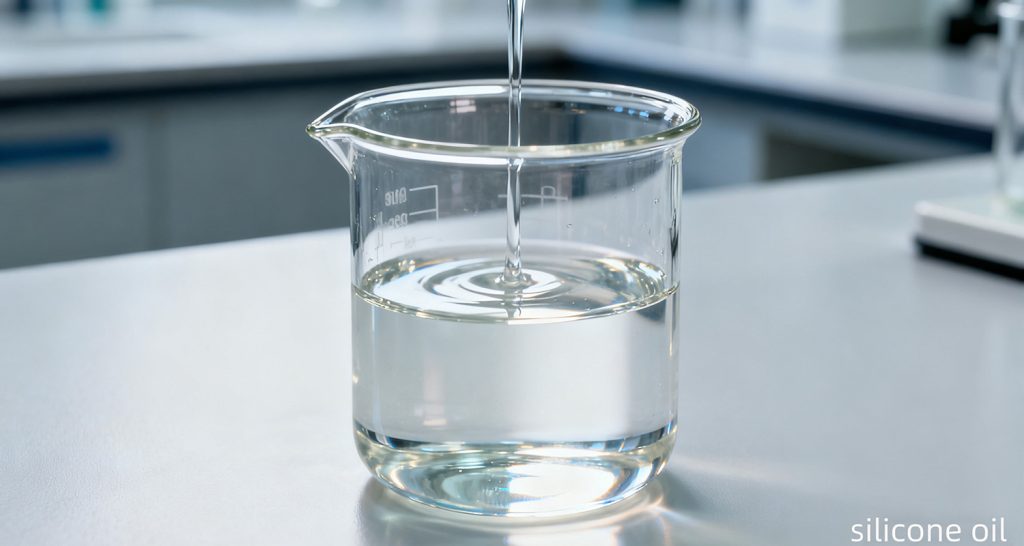
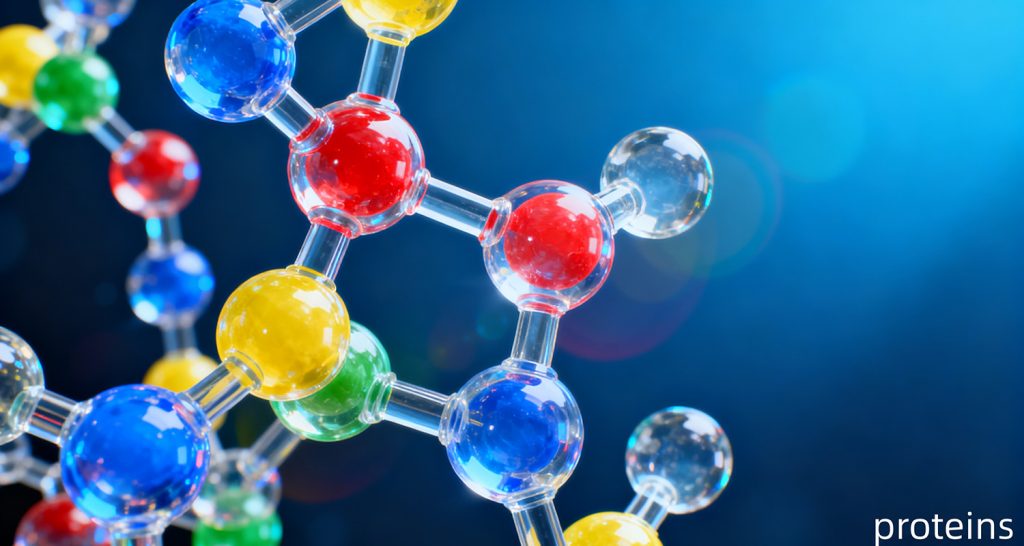
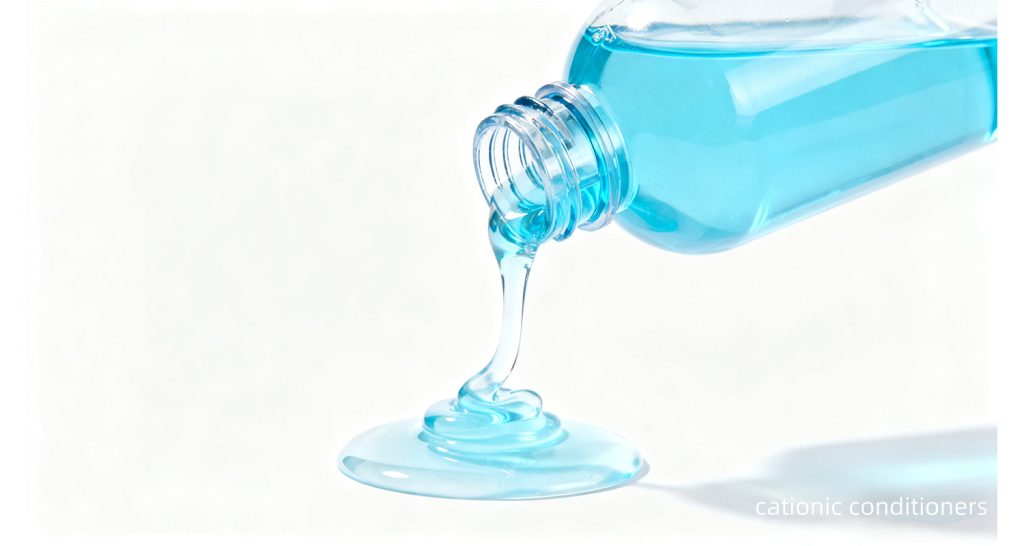
Hair Care: Hair is composed of dead keratinocytes and lacks vitality. Therefore, the goal of hair care products is not to “restore life,” but rather to manage and optimize the structure and appearance of the hair surface. It smooths the hair cuticles, increases shine, and combats friction and environmental damage by attaching beneficial ingredients (such as silicone oil, proteins, and cationic conditioners) to the hair strands.
II. The key role of pH value: weak acidity vs. stronger acidity.
This is one of the parameters that our laboratory pays the most attention to during research and development, as it directly determines the effectiveness and mildness of the product.
Hair care and skin care require different pH levels.
- Skin pH Environment: Healthy skin’s natural pH range is slightly acidic, approximately 4.5-5.5. This environment helps maintain a healthy microbiome and a strong skin barrier. Therefore, a good skincare product (especially cleansers and lotions) should have a pH close to this range to protect the skin from damage.
- Hair pH Needs: Hair health is also closely related to pH. Ideal hair care products, especially shampoos, are usually designed with a lower pH (typically between 3.5-5.5). Why? Because a lower acidity helps tighten the hair cuticles. When the cuticles are closed and smooth, the hair appears smooth, shiny, less prone to tangling, and less prone to moisture loss.
III. Core Components and Mechanisms of Action: Penetration vs. Adhesion.
This distinction is central to the work of a formulation engineer.
In terms of hair care and skin care, skin care product ingredients focus on penetration, while hair care product ingredients focus on adhesion.
Skincare ingredients: Emphasis is placed on “transdermal absorption.” Active ingredients need the ability to penetrate the skin’s stratum corneum to be effective. For example, Vitamin C needs to penetrate to combat free radicals, and retinol needs to penetrate to promote collagen production. The carriers in the formulation (such as liposomes and nanoemulsions) are designed to enhance penetration.
Hair care product ingredients: Emphasis on “surface adhesion”. Since hair cannot “absorb” most substances, ingredients need to remain on the hair.
- Cleansing Agents: Surfactants in shampoo are responsible for removing scalp oil and hair dirt.
- Conditioning Agents: This is the soul of hair care products. Cationic polymers (such as the Polyquaternium series) and silicone oils carry a positive charge and actively attract negatively charged damaged hair strands, forming a protective film that provides smoothness and anti-static effects.
- Proteins: Such as hydrolyzed wheat protein, they fill the gaps in the hair cuticle, temporarily repairing damaged areas and increasing hair strength and texture.

IV. Differences in Formulation Philosophy.
In summary, skincare formulation is a science of “biocompatibility and active ingredient delivery,” requiring harmonious coexistence with living tissue to be effective. Haircare formulation, on the other hand, is more like “surface science and materials engineering,” creating an ideal look and feel through the deposition and modification of fine chemicals on the fiber surface.
Beslocosmetics’ Manufacturing Commitment.
In our labs and factories, we deeply respect these differences. Whether developing a soothing face cream with a precisely defined pH or a repairing shampoo rich in cationic polymers, our engineering team designs and manufactures customized formulas based on the biological characteristics of the target region. We possess complete capabilities from raw material testing, pilot-scale trials, and large-scale production to ensure that every OEM/ODM product is precise, stable, and efficient.
Hopefully, this analysis will help you plan your product line more clearly. If you have specific ideas for hair care or skincare products, please feel free to contact our team. Let our professional manufacturing capabilities support your brand dreams.
If you require OEM/ODM services, please click here.
Alternatively, you might need private labeling services; please click here.
If you have any questions about hair care, please feel free to contact us.