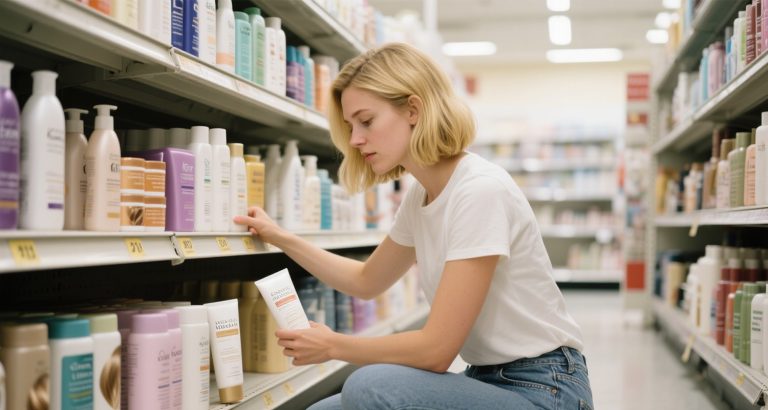
What is Aftershave?
Aftershave is a skincare product specifically formulated to be used post-shaving to soothe, protect, and nourish the skin. Its core efficacy revolves around addressing the minor irritations caused by shaving, such as razor burn, redness, and tiny cuts. The primary benefits include soothing inflamed skin, reducing redness and itching, tightening pores to minimize the risk of dirt and bacteria intrusion, and providing a refreshing sensation. Some advanced formulas also offer moisturizing and repairing effects to replenish the skin’s natural barrier damaged by shaving.
In terms of ingredients, after shaves typically contain a blend of soothing agents, antiseptics, and moisturizers. Common soothing components include aloe vera, chamomile extract, and witch hazel, which calm irritation and reduce inflammation. Antiseptic ingredients like alcohol (in varying concentrations), tea tree oil, or menthol help disinfect small nicks to prevent infection. Moisturizing elements such as glycerin, shea butter, or vitamin E hydrate the skin and alleviate dryness. It’s worth noting that alcohol-based aftershaves deliver a strong cooling effect but may be drying for sensitive skin, while alcohol-free versions are gentler and more suitable for delicate skin types.
A common misconception is that aftershave is exclusively for men. In reality, it is suitable for both men and women. Women who shave areas like legs, underarms, or the bikini line can also benefit from aftershave’s soothing and protective properties, as shaving in these areas often causes similar skin irritations. The only difference lies in fragrance preferences and formula adjustments (e.g., more moisturizing variants for women’s typically drier skin), but the core functionality remains the same.
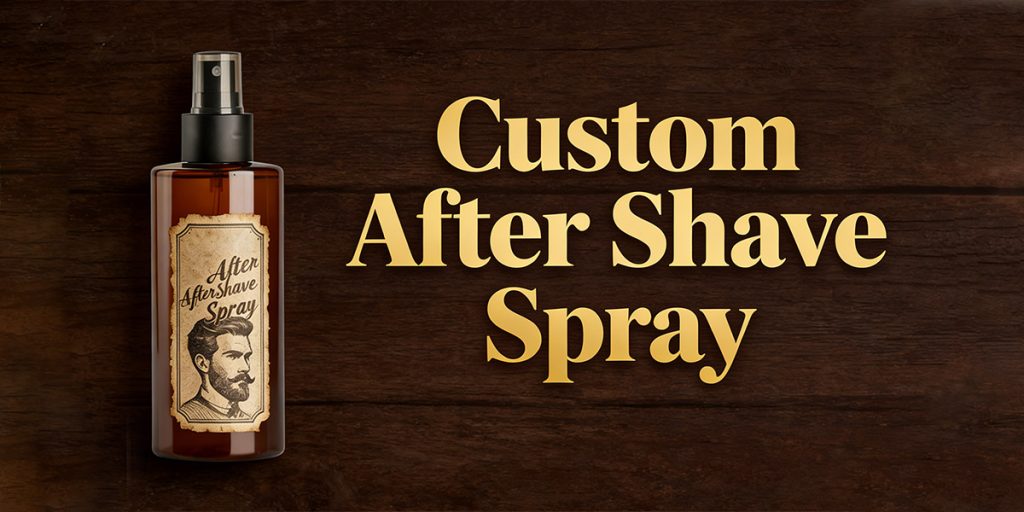
Aftershave Balm Versus After Shave Spray Benefits.
After shave products mainly come in two forms: balm and splash, each with distinct characteristics and benefits tailored to different skin types and preferences.
After shave balm has a creamy, lotion-like texture that is rich in moisturizers. Its key benefits include deep hydration and long-lasting nourishment. Balm is ideal for individuals with dry, sensitive, or mature skin, as it replenishes the skin’s moisture barrier and soothes irritation without the stinging sensation associated with alcohol. It absorbs quickly without leaving a greasy residue, providing a comfortable, non-irritating post-shave experience. Additionally, balm often contains repairing ingredients like ceramides or hyaluronic acid, which help restore damaged skin over time.
Aftershave splash, on the other hand, has a liquid consistency, usually with a higher alcohol content (though alcohol-free options are available). Its primary advantages are instant refreshment, strong antiseptic action, and pore-tightening effects.
The alcohol in splash effectively disinfects cuts and leaves a cool, invigorating feeling on the skin. It is well-suited for men with oily or combination skin, as it controls excess oil and prevents shine. However, traditional alcohol-based splashes may cause stinging on sensitive skin or open cuts, making alcohol-free splashes a better choice for those with delicate skin.
Is Aftershave Necessary? What Happens If You Don’t Use It? Wet or Dry Skin?
While men’s aftershave is not strictly “mandatory,” it is highly recommended for anyone who shaves regularly. Shaving removes not only facial hair but also a thin layer of the skin’s outermost barrier, leaving the skin vulnerable to irritation, dryness, and bacteria.
Without after shave lotion, the skin may experience prolonged redness, itching, razor burn, or even small infections from unsterilized nicks. Over time, repeated shaving without proper aftercare can lead to dry, rough skin, ingrown hairs, and a weakened skin barrier, making future shaves more painful and irritating.
As for application, aftershave barber spray should be used on slightly damp skin immediately after shaving. Pat the skin gently with a clean towel to remove excess water (avoid rubbing, which can further irritate) – the skin should still feel moist but not dripping.
Applying after shave oil to damp skin helps lock in moisture, enhances the absorption of active ingredients, and reduces the stinging sensation (especially for alcohol-based products). Using it on completely dry skin may limit moisturizing effects and increase irritation, as the skin’s barrier is already compromised post-shave.
Application Tips, Disadvantages, Aftershave vs. Cologne, and Use Without Shaving.
Application Tips.
For optimal results, follow these steps: After shaving and patting skin damp, pour a small amount of aftershave cologne (a pea-sized amount for balm, a few drops for splash) onto the palms. Rub hands together to warm the product, then gently press or pat it onto the shaved area (avoid rubbing vigorously). Focus on areas prone to irritation, such as the neck, jawline, or cheeks. Allow the product to fully absorb before applying other skincare products or makeup.
Disadvantages of after shave serum.
Despite its benefits, after shave for men has some drawbacks. Alcohol-based formulas can cause stinging, dryness, or peeling for sensitive skin types.
Some products may contain synthetic fragrances or harsh chemicals that trigger allergic reactions, such as rashes or itching. Additionally, low-quality cheap aftershaves may lack effective moisturizing ingredients, leading to temporary relief but long-term dryness. Overuse of alcohol-based aftershave can also disrupt the skin’s natural pH balance, making it more susceptible to irritation.
Aftershave vs. Cologne: Which Is Better?
Aftershave and cologne serve entirely different purposes, so there is no “better” option – it depends on your needs. After shave balm is a skincare product first, designed to soothe and protect post-shave skin, with a subtle fragrance as a secondary feature.
Cologne, by contrast, is a fragrance product focused on delivering long-lasting scent, with no skincare benefits. If you prioritize post-shave comfort and skin health, Men’s after shave is essential. If you want a stronger, longer-lasting fragrance, cologne is the right choice. Many people use both: aftershave for skincare, followed by cologne for scent.
Using Aftershave Without Shaving.
Yes, you can use after shave without shaving. Its soothing and moisturizing properties make it a versatile product for daily skincare. For example, you can apply it to calm irritated skin from sun exposure, minor rashes, or dry patches.
It can also be used as a quick refresher on hot days, thanks to its cooling ingredients like menthol. However, avoid using alcohol-based aftershave on broken or severely irritated skin (without shaving) as it may exacerbate discomfort.


How to Choose After shave, and Which Scents Do Girls Prefer?
How to Choose Aftershave.
When selecting an after shave, consider the following factors:
- Skin Type: Dry/sensitive skin – opt for alcohol-free balms with rich moisturizers (aloe vera, shea butter). Oily skin – choose alcohol-based or oil-free splashes with antiseptic properties.
- Shaving Habits: If you shave daily or have thick hair (prone to irritation), select balms with repairing ingredients. If you shave occasionally and have normal skin, a splash may suffice.
- Ingredients: Avoid products with synthetic fragrances, parabens, or sulfates if you have sensitive skin. Prioritize natural extracts and hypoallergenic formulas.
- Fragrance: Choose scents that align with your personal style and occasion (fresh, woody, floral, etc.).
Scent Preferences for Girls.
Girls’ fragrance preferences for aftershave vary by personality, season, and occasion, but some scents are consistently popular:
- Fresh Citrus/Green Scents: Notes of lemon, lime, bergamot, or green tea are light, refreshing, and ideal for summer. They exude a clean, energetic vibe, perfect for daily wear.
- Soft Floral Scents: Subtle floral notes like rose, jasmine, or lavender (not overly sweet) are gentle and romantic. They complement feminine skin and are suitable for casual or semi-formal occasions.
- Warm Woody/Musky Scents: Light woody notes (sandalwood, cedar) or soft musk add depth without being overpowering. These scents are versatile, working well in fall and winter, and appeal to girls who prefer understated, elegant fragrances.
- Fruity Vanilla Scents: Sweet but not cloying notes like peach, mango, or vanilla are playful and warm, popular among younger girls or those who enjoy a cozy, approachable scent.
Conclusion.
Aftershave is more than just a post-shave ritual – it’s a vital part of skincare that protects, soothes, and nourishes the skin after the harshness of shaving. Whether you prefer a hydrating balm or a refreshing splash, choosing the right aftershave based on your skin type and preferences can transform your shaving experience and maintain healthy skin. It’s a versatile product for both men and women, usable even without shaving, and its fragrance can also reflect your personal style. By understanding how to use and choose aftershave wisely, you can enjoy the benefits of smooth, comfortable skin while embracing a scent that suits you.
For custom aftershave solutions tailored to diverse skin needs and fragrance preferences, Beslocosmetics OEM is dedicated to delivering high-quality formulations that meet global customer demands.
We can customize aftershave to suit your business needs.
For more information about customized products, please click the link below.
- About Custom Factory
- OEM/ODM service
- Private label service
- Our blog about hair care and styling products
- Find us